

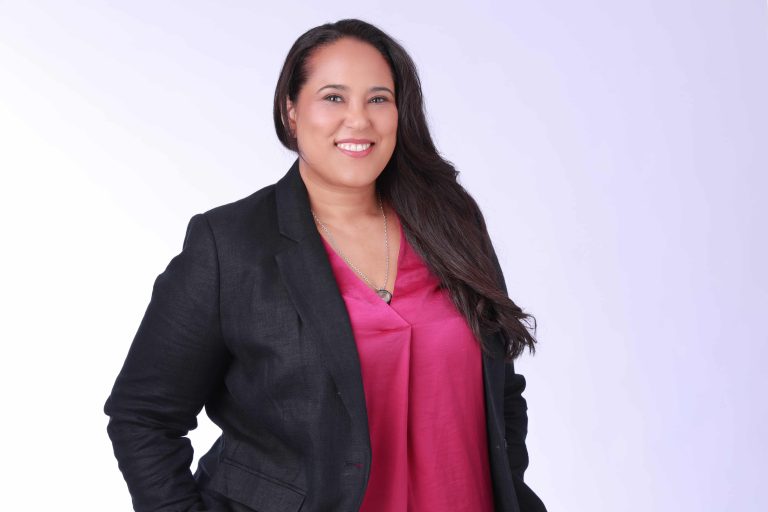
I’m an IAPC&M Accredited Master Coach with over 2,100 hours of coaching delivered, more than a decade of practice and experience spanning nine industries.
Based in Devon, I’ve coached leaders across the UK, Europe, the US and the Caribbean.
I work with people who are great at what they do and are now being asked to do something harder.
Why I Do This
Before I was a coach, I worked for Project Trust on the Isle of Coll, a Scottish island of fewer than 250 people. I recruited, selected and trained young volunteers heading out to Costa Rica, Guatemala, Honduras, the Dominican Republic, eSwatini, Lesotho and South Africa — visiting them in country, setting up new projects, and debriefing them when they came home.
I had been one of those volunteers myself, in Honduras, before university. It changed how I saw the world. Coming back to the organisation years later, after a stretch working in education in London had left me jaded, it reminded me what people are capable of when somebody backs them.
The decision came during a period of change there. New leadership arrived and I realised I no longer aligned with the direction things were taking. So I sat down and went through it honestly: what I was good at, what I had actually been doing, and what I genuinely enjoyed. The answer came back the same every time: watching people grow into better versions of themselves.
I began studying coaching while I was still on the island. In 2014 I moved to Jamaica and started my own coaching practice. I have not looked back since.
Accredited, and Highly Experienced
- Financial Services
- Technology & Digital
- Professional & Business Services
- Energy & Utilities
- Construction & Infrastructure
- Life Sciences & Healthcare
- Creative Industries & Media
- Sport
- Entrepreneurship & Founder-led Businesses
Master Coach is the senior tier of accreditation awarded by the International Authority for Professional Coaching & Mentoring. It’s assessed on demonstrated coaching hours, supervised practice and evidence of competence.
You can’t just complete a course to gain this accreditation. It takes years of logged practice and experience to reach and it can’t be bought.
Twelve years of practice across nine industries means the patterns I recognise are not drawn from any one sector’s way of doing things. A first-time director in construction and a partner in professional services are facing different contexts and often the same underlying problem.
What Our Work Looks Like in Practice
A leader I worked with recently got on well with his team and was comfortable there, but struggled with his peers and with the people above him. He felt his contributions were not acknowledged, and that he was permanently in a battle to get other people to do things.
We looked at a range of specific situations and separated what was actually true from what needed reframing. We worked out how he wanted to show up with his peers and what that would take, then challenged the language he was using and found more effective ways to communicate.
The shift was significant. Instead of approaching his peers confrontationally, he began to see what each of them brought. He built relationships across the group and became noticeably more confident in meetings.

Who I Work With
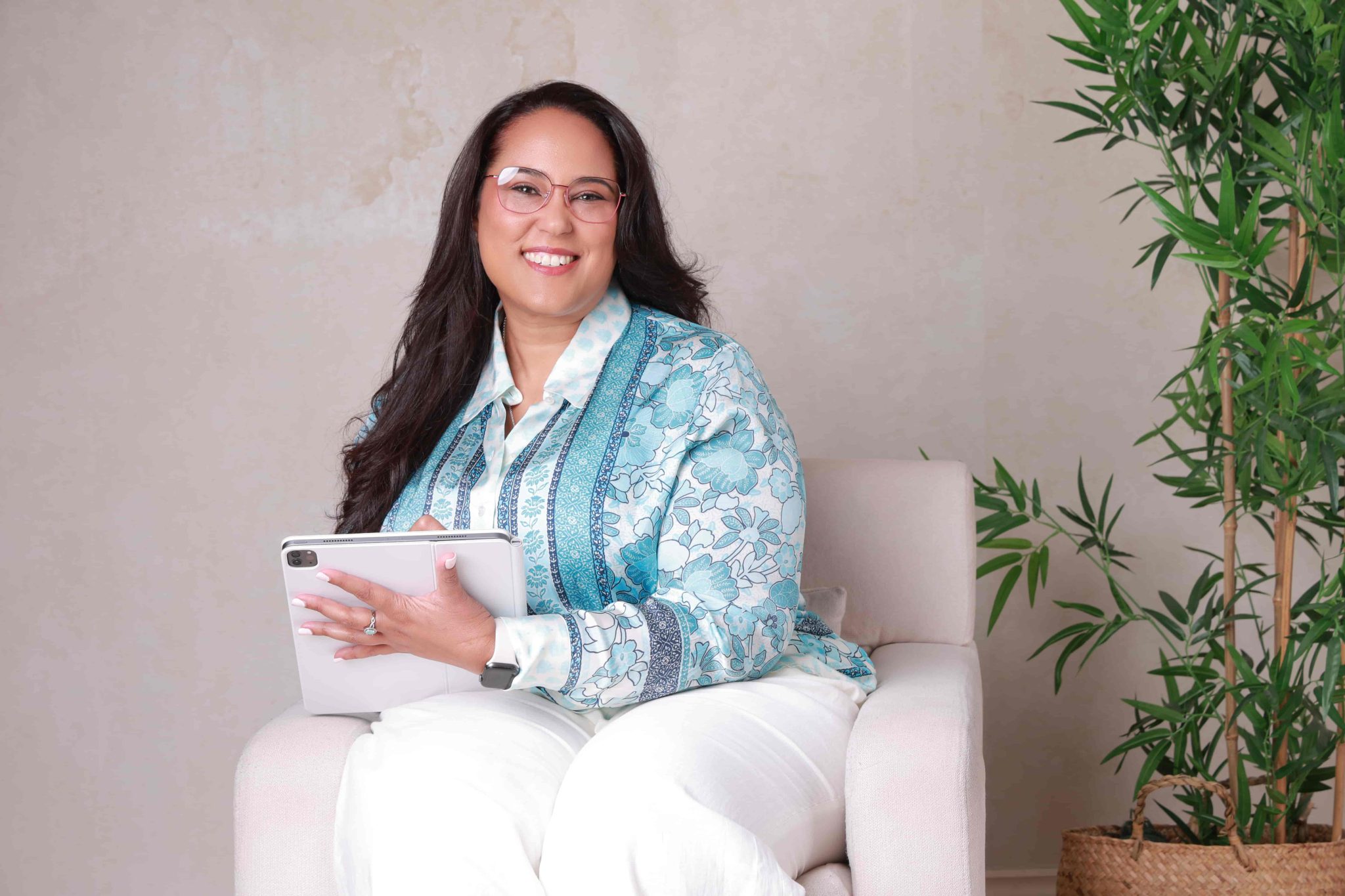
Most of the people I coach are somewhere in the gap between competence and confidence. They’ve been promoted because they were excellent at the work, and are now expected to lead other people who do it. That’s a different job, learned publicly, usually without much support.
That includes executives carrying the weight of a decision nobody else can make, senior women navigating rooms that weren’t designed with them in mind, and first-time leaders who are still working out what kind of leader they intend to be.
When you work with me, you work with me. There’s no associate assigned once the contract is signed, no account manager between us, and no house method you’re fitted into. That’s one of the biggest advantages of working with me, and it’s the reason I keep things small and personal.
I am not the right coach for everyone. If what you are looking for is validation, or confirmation that the problem sits entirely with other people, we will both find it frustrating. The work starts when there is enough curiosity to look at your own part in it, and enough willingness to do something about what you find.
How I Coach
Every engagement starts with an open conversation and we go from there.
What does a first session with you look like, practically?
A first session with me starts with contracting. We agree on how we are going to work together, what the client wants from coaching, what they can expect from me and what I will expect from them. That includes confidentiality, boundaries, roles, responsibility and how we will know the coaching is useful.
I make it clear that the client owns the agenda, the decisions and the actions. My role is to create space for thinking, to ask questions, reflect what I notice and challenge where that may be useful.
I then ask what they want to focus on, what they would like to leave the session with and what would make the conversation valuable.
From there, we explore.
I listen closely for what is being said, what may sit underneath it, where there are patterns, tensions or assumptions and what seems to have the most energy around it. I may reflect something back, ask permission to challenge or test an observation.
I also check in during the conversation to make sure we are still working on what matters most to them.
Towards the end, we bring the session back to what they wanted from it. We look at what they have noticed, what has shifted, what they now understand differently and what, if anything, they want to do next.
Any action belongs to the client. We may explore what would make it realistic, what might get in the way and what accountability they want or need.
I close by reviewing the session with them: what they are taking away, what was most useful and whether there is anything they want to carry forward into the next conversation.
First session is:
Contract the relationship → contract the session → explore → notice and challenge → review what has shifted → identify next steps → close and reflect.
What do you do when a client arrives without knowing what they want to work on?
Quick answer is: ask questions and let them talk uninterrupted – I will usually slow the conversation down and create enough space for them to notice what is present. I might ask what has been taking up most of their headspace, what has had the most energy around it recently, what feels unresolved, or what they keep coming back to.
Sometimes the topic appears very quickly. Sometimes what first comes up is only the surface issue, so we stay curious until we find the thing that feels most useful to explore.
“I don’t know” is not a problem to solve, it is often useful information in itself.
Once something begins to emerge, we contract around it: what would make this conversation useful, what they want to understand or shift and what they would like to leave with.
The important thing is that the agenda still comes from the client. My role is to help them notice what is already there not manufacture a goal for them.
Quite often, the session that starts with “I’m not sure what I want to talk about” ends up getting to something that has been sitting underneath the noise for a while.
Is there a model, framework or set of questions you return to consistently? If so, what is it and where does it come from?
I work flexibly rather than coach from one fixed model, focusing on the client and what they need from the conversation always come first.
My practice is grounded in the ICF Core Competencies, particularly around contracting, partnership, listening, evoking awareness and supporting client-led growth. My practice is also informed by the professional standards and coaching principles of the IAPC&M, where I am an Accredited Master Coach. Both reinforce the importance of contracting, partnership, ethical practice, deep listening, client responsibility and creating the conditions for meaningful change.
I also draw on GROW and the ICANDO models where they are useful. I use them as frameworks to support the conversation rather than as a script to follow. Depending on what the client brings, they can help create structure, identify what is already working, open up possibilities and move towards a meaningful next step.
I am also very intentional about language. Where appropriate, I use positive, possibility-focused language that supports clients move towards what they want to create, rather than spending all of the conversation focused on what they want to avoid.
The questions I return to most often are simple and tend to create space rather than close it down:
- What matters most?
- What are you noticing?
- What is already working?
- What are you assuming?
- What is yours to own?
- What do you want instead?
- What becomes possible from here?
- What are you choosing?
- What would make this conversation useful?
- What is the next meaningful step?
- What if anything is standing in your way?
Over time, I have noticed that my coaching naturally moves through a pattern of creating space, noticing what is present, separating what matters from the noise, making a choice and deciding what action, if any, follows.
That has developed through years of practice rather than from relying on one single model.
What does a client have to be willing to do for coaching with you to work?
A client has to be willing to be honest with themselves. They need to be open to looking beyond the presenting issue, questioning their own assumptions and noticing the part they may be playing in what is happening.
They also need to be willing to take ownership. Coaching works best when the client is prepared to ask, “What do I want?” and “What am I choosing?”
They need enough curiosity to explore, enough openness to be challenged and enough courage to act on what becomes clear.
That does not mean they need to arrive with all the answers, or even with a clear goal. They can be uncertain, frustrated, stuck or overwhelmed. What matters is a willingness to think honestly, stay engaged with the process and do something with what they discover.
The strongest coaching relationships are with clients who are prepared to bring the real issue into the room, rather than the polished version of it.
Where I Work
I’m based in Devon and much of my client base is in London.
In practice that’s never been the constraint people expect it to be. Coaching conversations work well remotely, often better, because a video call is easier to protect in a full diary than a half-day round trip, and easier to take somewhere private.
I split my time between the UK and Jamaica, and I coach clients internationally across time zones.
If you’d rather meet in person, I travel for that, and I take on a small number of in-person clients in the South West.
Let’s Start With a Conversation
A discovery call takes just 30 minutes, it’s free and carries no expectation that you book anything afterwards. It exists so we can both find out whether this is the right fit, because coaching only works when it is, and neither of us benefits from starting otherwise.
Testimonials

I had the privilege of working with Keisha-Ann, and I can confidently say she is an exceptional coach who truly helped me transform my mindset and made me really think about the career path I wanted to take. Her ability to listen deeply, ask the right questions, and challenge limiting beliefs helped me gain clarity, confidence, and direction in my professional journey. Keisha-Ann helped coach me through a difficult time in my professional career and for that I am truly grateful. If you’re looking for a coach who is not only skilled but also deeply invested in your success, I highly recommend Keisha-Ann. Her impact goes beyond just professional growth—it’s a game-changer for personal development as well.
Sigourney Sandhu
I had the pleasure of meeting Keisha-Ann at an event, and it quickly became clear that working with her as a coach came at the perfect time. Her approach helped me reconnect with a growth mindset I had lost touch with, and I’ve valued every session since. Keisha-Ann has a remarkable ability to help me focus on what truly matters (personally and professionally) while also encouraging accountability and presence. One of the things I appreciate most is how she supports me in pacing myself, not just in action, but in thought and language. Her guidance helps me stay present and intentional, allowing me to get the most out of every conversation. I wholeheartedly recommend Keshia-Ann to anyone looking for a thoughtful, grounded, insightful, and empowering coach who brings out the best in you and your growth.
Aaliyah
Working with Keish was fantastic! Her calm and positive approach secured my sense of safety, and the sessions gave me access rarely found, to space and time for focussing just on me and my development. Right from the first session I was given tools and challenged to think differently, and it feels like having a new set of eyes to view my working world through. Through Keish's guidance, I’ve learned about who I am as a leader in a way no book or other resource could provide. Most impactfully, I've learned how to recognise and amplify the best of who I am. The entire experience was deeply empowering and I can't recommend Keish highly enough as a highly skilled coach, who uses a refreshingly genuine and human approach.
Alex Townsend
I had the privilege of working with Keisha-Ann after I was made redundant last year and it was a hugely positive experience. Keisha-Ann helped me to completely re-frame my thoughts on my own experiences and skill set, the process I had been through and where, and how, I should position myself going forward. Since working with Keisha-Ann I have secured myself a new role and am sure she had no small part to play in this happening for me. Her positivity and insight have helped me gain confidence and a fresh outlook. Overall a fantastic experience - thank you so much!
Mark Butler